
 nagpalengg@gmail.com


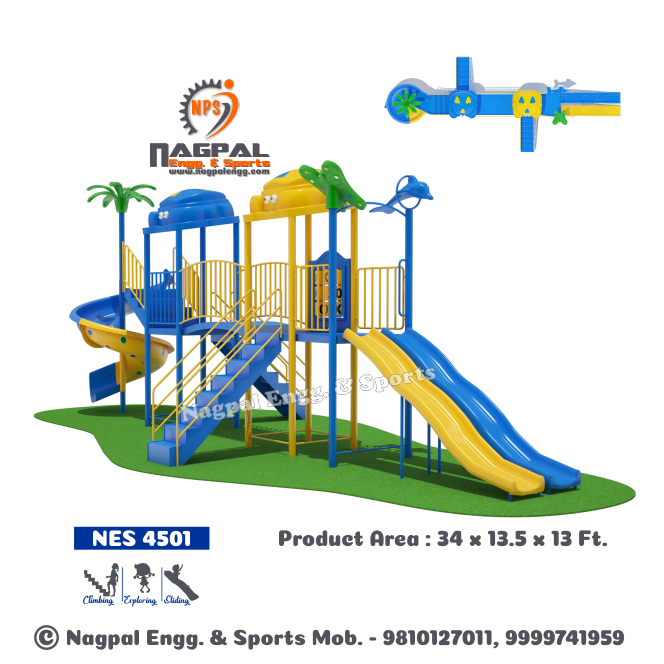
A well-designed school playground gives children a dedicated outdoor space where they can enjoy physical activities, develop social abilities, and improve essential movement skills. Equipment such as slides, swings, climbing frames, seesaws, and multiplay structures makes outdoor recreation more engaging and encourages students to participate in activities together. The selection of playground equipment should depend on students’ age groups, available installation space, and the school’s daily requirements. Factors such as material quality, structural strength, safety provisions, installation, and ongoing maintenance should also be evaluated during playground planning.
Suitable playground equipment can contribute to a positive and enjoyable environment for students. Schools should also consider manufacturers who understand the requirements of educational facilities and provide relevant equipment options. Nagpal Engineering & Sports offers playground equipment solutions for schools, parks, and other outdoor recreational locations. Institutions searching for a School Playground Equipment Manufacturer & Supplier in Faridabad can review different designs, material choices, and installation requirements to plan outdoor spaces according to children’s recreational needs.
Importance of Playground Equipment in School Environments
Outdoor playground facilities are an important part of school infrastructure. They give students opportunities to take a break from academic routines and participate in physical and group activities. Regular outdoor play encourages the development of coordination, balance, physical strength, and teamwork.
Key advantages of school playground installations include:
- Physical Fitness: Encourages children to participate in outdoor exercises and active games.
- Social Development: Creates opportunities to learn cooperation, communication, and sharing.
- Building Confidence: Allows students to explore different activities and develop confidence.
- Motor Skill Development: Supports improvements in body balance and movement coordination.
- Recreational Learning: Makes outdoor activity periods more enjoyable and engaging.
A thoughtfully planned playground can also create a welcoming recreational environment for students and their parents.
Different Types of Playground Equipment Available for Schools
Schools can choose from several playground equipment categories according to students’ ages, playground dimensions, and available budgets. Selecting suitable structures helps create recreational areas that meet the requirements of educational institutions.
1. Playground Slides
Slides are among the commonly preferred play structures for younger children. They are available in different heights, shapes, and design configurations. While selecting slides, schools should consider suitable height levels, sufficient surrounding clearance, and appropriate safety surfacing.
2. Outdoor Swing Equipment
Swings encourage children to participate in outdoor recreational activities and are available in different seat configurations and frame designs. Before installation, schools should assess frame strength, chain quality, seat construction, and the necessary clearance around moving equipment.
3. Playground Seesaws
Seesaws provide opportunities for children to participate in shared recreational activities while coordinating their movements with others. These structures are commonly included in school playgrounds, public parks, and community recreation spaces.
4. Multiplay Playground Structures
Multiplay equipment brings several recreational features together within a single structure. These systems may include slides, climbing sections, elevated platforms, and tunnels. They are useful for schools that want to offer different play activities within a planned playground area.
5. Climbing Play Equipment
Climbing structures allow children to practise controlled movements while developing balance and coordination. Schools should select designs suitable for the intended age group and check that appropriate handholds, footholds, and protective playground surfaces are provided.
Factors to Evaluate When Selecting School Playground Equipment
Selecting playground equipment involves more than comparing designs and prices. Educational institutions should also consider how frequently the structures will be used and whether they are appropriate for the children who will access them.
1. Select Equipment According to Age Groups
Play structures should match the age and physical capabilities of their intended users. Equipment designed for older children may not be suitable for toddlers, while larger playground structures may not be appropriate for younger students.
2. Assess Material and Construction Quality
Examine the materials used in frames, slides, seating areas, platforms, and connecting components. Metal structures should have suitable protective coatings, while plastic components should be designed to tolerate regular outdoor exposure.
3. Examine Essential Safety Provisions
Inspect the equipment for sharp edges, properly secured fittings, stable supporting frames, suitable guardrails, and adequate clearance around moving components. Buyers can also request relevant product specifications and available testing documentation from the supplier.
4. Measure the Playground Installation Area
Check the dimensions of the available playground before finalising equipment. Sufficient clearance should be maintained around structures, with properly planned access and exit pathways that allow children to move safely.
5. Understand Installation Requirements
Correct installation plays an important role in the stability and intended use of playground structures. Schools should enquire about installation assistance, foundation requirements, and the maintenance instructions provided by the manufacturer.
Plastic Playground Equipment Solutions for Modern Schools
Plastic playground equipment is commonly used in different play structures, including slides, seats, tunnels, panels, and other recreational components. Its selection should depend on material quality, product construction, outdoor exposure, and the expected frequency of use.
Schools searching for a Plastic Playground Equipment Manufacturer in Faridabad should evaluate the plastic material, resistance to UV exposure, surface finish, structural strength, and suitability for children’s play environments.
It is also useful to enquire about cleaning requirements, replacement component availability, and product warranty conditions. Plastic components can be combined with metal frames to develop different playground configurations. However, buyers should assess the specifications and quality of individual components instead of making decisions based only on appearance.
Benefits of Choosing an Experienced Playground Equipment Manufacturer
An experienced playground equipment manufacturer can help educational institutions understand the available product categories and select suitable structures according to their campus requirements. Direct communication with manufacturers can also make it easier to discuss customised designs, product dimensions, material choices, and installation arrangements.
Important points to review when comparing manufacturers include:
- Variety of playground products and available designs
- Material selection and manufacturing standards
- Product specifications related to safety
- Customisation and design flexibility
- Installation assistance and support
- Maintenance instructions and guidance
- Warranty coverage and after-sales assistance
Nagpal Engineering & Sports offers outdoor playground equipment options, including multiplay structures, slides, swings, and other recreational products. Schools can discuss their site requirements and evaluate suitable designs before confirming their equipment selection.
Where School Playground Equipment Can Be Used
Playground equipment serves different recreational and educational requirements across various types of institutions. The choice of structures generally depends on the age group of children, available space, and the purpose of the facility.
Common installation locations include:
- Primary Schools: Slides, swings, seesaws, and smaller playground structures.
- Pre-Schools: Age-appropriate climbing equipment and activity-based play structures.
- Secondary Schools: Larger recreational facilities and dedicated outdoor activity spaces.
- School Campuses: Shared playground areas designed for group recreation.
- Daycare Centres: Compact playground equipment that can be used under supervision.
- Residential Schools: Outdoor play facilities for students’ regular recreational activities.
Selecting suitable structures can help educational institutions make more effective use of their available outdoor areas.
Emerging School Playground Equipment Trends in 2026
In 2026, school playground planning increasingly considers space utilisation, inclusive recreation, equipment durability, and maintenance requirements. Educational institutions are paying attention not only to the structures themselves but also to how the overall playground environment can be used.
1. Inclusive Playground Environments
Playground planning is increasingly considering facilities that allow children with different abilities to participate in outdoor recreational activities. Inclusive design aims to provide more opportunities for children to enjoy shared play spaces.
2. Multifunctional Play Structures
Multiplay systems offer several recreational activities within one planned structure. They can be useful for schools that want to incorporate slides, climbing sections, and elevated platforms without allocating separate areas for every activity.
3. Weather-Resistant Playground Materials
Outdoor play structures need materials and protective finishes that can withstand environmental exposure, including sunlight, rainfall, and temperature changes. Material selection plays an important role in maintaining equipment condition over time.
4. Separate Play Areas for Different Age Groups
Schools can plan dedicated playground zones for younger and older children. This approach allows institutions to select equipment according to the different physical abilities and activity requirements of each age group.
5. Regular Safety Inspections and Maintenance
Playground equipment requires periodic inspection to check fittings, supporting structures, and protective surfaces. Schools should also arrange timely repairs and follow appropriate maintenance procedures to keep recreational facilities in suitable condition.
These developments highlight the importance of considering usability, safety, durability, and maintenance when planning modern school playgrounds.
Conclusion
School playground equipment contributes to creating an active and engaging outdoor environment for students. Before purchasing playground structures, educational institutions should carefully compare available designs, construction materials, age suitability, safety provisions, installation assistance, and maintenance requirements.
Institutions looking for a School Playground Equipment Manufacturer & Supplier in Faridabad should review product specifications, available design options, and installation arrangements before making their final selection.
These considerations help buyers identify equipment that matches their campus layout and recreational requirements. Nagpal Engineering & Sports offers playground equipment solutions for educational institutions and recreational facilities. Schools can explore available options according to their installation space, students’ age groups, and individual project needs. Proper equipment selection and planning can help develop playgrounds that serve the recreational requirements of educational environments.
Frequently Asked Questions About School Playground Equipment
1. Which playground equipment options are commonly selected for schools?
Schools generally consider slides, outdoor swings, seesaws, climbing structures, and multiplay systems for their playgrounds. The final selection should be based on the available space and the age groups of students.
2. What should schools evaluate before choosing a playground equipment supplier?
Educational institutions should review product construction, material specifications, safety provisions, installation assistance, warranty details, and the supplier’s previous project experience before selecting a supplier.
3. Can plastic playground equipment be installed outdoors?
Plastic playground components can be suitable for outdoor play areas when they are manufactured using appropriate materials and designed to withstand weather exposure and regular usage. Buyers should review the product specifications before purchasing.
4. Why is it important to compare playground equipment designs?
Comparing different playground designs helps schools understand space requirements, available recreational activities, material quality, and overall project expenses before placing an order.
5. What preparations are necessary before playground equipment installation?
Schools should assess the installation area, ground conditions, equipment positioning, fall zones, anchoring arrangements, and suitable protective surfacing. All installation work should follow the manufacturer’s instructions and applicable safety precautions.
